How Long Does Ceramic Coating Really Last? A Guide by Package Tier
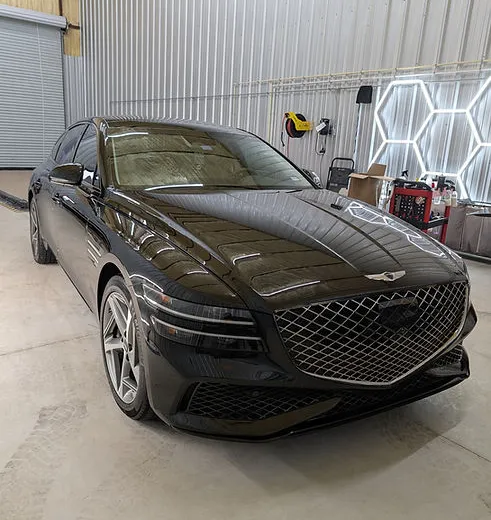
“How long will this last?” is the first question almost every customer asks before a ceramic coating install, and the honest answer is: it depends entirely on which package you choose and how you maintain the vehicle afterward.
Why Packages Are Tiered by Years
Ceramic coatings aren’t one product — they’re a category of chemistry ranging from consumer-grade sprays to professional multi-layer systems. At Detail Now, our packages run from entry-level 1-year coatings up to our Owner’s Pride Select 9-year coating, and the difference isn’t just a marketing number. Higher tiers use higher-concentration silica or ceramic formulations that cross-link more densely, which translates directly into:
- Longer-lasting hydrophobic (water-beading) performance
- Better resistance to chemical etching from bird droppings, tree sap, and bug acid
- Stronger self-healing response on light swirls and scratches
- Extended UV resistance, which matters enormously given how much direct sun a Central Texas vehicle sees
What Determines Where Your Coating Falls in That Range
Two vehicles with the identical coating applied can perform differently depending on:
Wash habits. Automatic tunnel washes with brushes are the single fastest way to shorten coating life — the brushes introduce fine scratches and strip hydrophobic performance faster than hand-washing or a touchless wash.
Parking conditions. A vehicle parked in direct sun daily (common in Austin-area office parking) sees more UV stress than a garage-kept car, which can shorten the practical lifespan of the coating’s UV resistance even if the warranty term is the same.
Product used to wash and dry. Harsh degreasers, dish soap, or acidic wheel cleaners used on coated surfaces will degrade the coating faster than a pH-neutral car wash soap.
What “9-Year” Actually Means in Practice
Our Owner’s Pride Select coating — the top tier, applied by a Top 40 nationally ranked installer — is rated for up to 9 years of performance under normal conditions. That’s the same standard we use on new exotic and enthusiast vehicles where owners expect showroom-level upkeep for years, not months. It’s insurance-backed and nationally warrantied, meaning the performance claim isn’t just our word — it’s backed by the manufacturer.
Should You Buy the Longest-Lasting Package?
Not automatically. If you lease a vehicle for three years or plan to sell in two, a mid-tier coating might make more financial sense than paying for nine years of protection you won’t use. If you’re keeping the vehicle long-term, or it’s a track car, enthusiast build, or new vehicle you want to protect from day one, the higher tiers pay for themselves in reduced maintenance and better resale condition.
We’ll walk you through exactly which tier fits your specific situation — vehicle, how long you’re keeping it, and how it’s driven and parked — rather than defaulting you to the most expensive option. See our Ceramic Coating page for the package breakdown, or get a free consult and we’ll recommend the right tier honestly.
Frequently Asked Questions
Does the coating just stop working after the warranty period?
Not abruptly — performance degrades gradually rather than falling off a cliff. A coating past its warranty term will still bead water and resist contamination somewhat, just less effectively than a fresh application. Most customers recoat or top up before it degrades significantly.
Can I extend the life of a ceramic coating?
Yes. Using pH-neutral soap, hand-washing or touchless washes instead of brush automatic washes, and avoiding harsh chemical wheel cleaners on coated surfaces all extend coating life meaningfully.
Is a 9-year coating nine times better than a 1-year coating?
Not exactly — higher tiers use more advanced, higher-silica-content formulations with better cross-linking and durability, which is why they last longer and typically resist chemical etching and scratches better too, not just last longer in years.