New Car Protection: What to Do in the First 30 Days
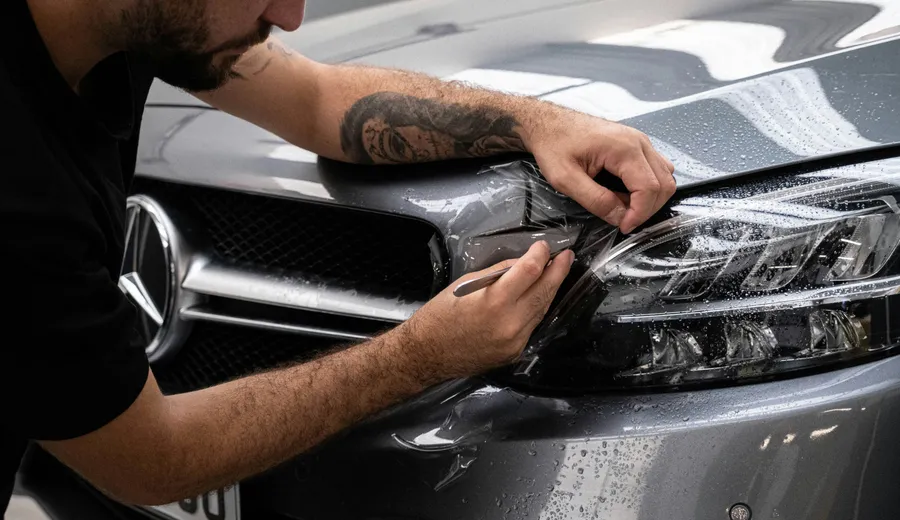
New car ownership has a short window that matters more than people realize: the first 30 days, before the vehicle has accumulated any real mileage or exposure. Whatever protection goes on during that window sets the baseline for how the paint looks in year five, not just year one.
Why Day One Matters More Than People Think
Factory clear coat leaves the assembly line with zero additional protection beyond the paint process itself. From the moment it’s driven off the lot, it’s exposed to UV, road debris, bird droppings, and everything else that accumulates over normal driving. The earlier a protective layer goes on, the less cumulative damage the factory finish takes before it’s covered.
The Order That Actually Makes Sense
Step 1: Paint inspection and decontamination. Even a brand-new car isn’t necessarily contamination-free — transport, dealer lot storage, and even the dealership’s own prep wash can leave residue that needs to be removed before anything is applied. We always start here regardless of how new the vehicle is.
Step 2: PPF on high-impact panels. If you’re doing paint protection film, it should go on before the vehicle has any driving exposure — hood, front bumper, mirrors, and fender leading edges are the panels that take rock-chip damage first, and installing film on paint with zero chips yet gives the cleanest, most seamless result.
Step 3: Ceramic coating over the full vehicle. Once film is installed (if you’re doing it), the ceramic coating goes over both the filmed panels and the rest of the vehicle, unifying gloss and adding UV and chemical resistance everywhere.
Step 4: Window tint, if you’re doing it, can happen in the same visit or shortly after — it’s independent of the paint protection steps and doesn’t need to happen in a specific order relative to PPF and ceramic coating.
What Happens If You Wait
Waiting isn’t catastrophic, but it’s not free either. Every month of driving without protection is UV exposure the clear coat has already taken and can’t get back, plus whatever rock chips or swirl marks accumulate in that window. If chips or swirls do happen before protection goes on, that’s an additional paint correction step needed before coating — which is exactly why doing it in the first 30 days, ideally before regular driving starts, gives the cleanest and most cost-effective result.
What This Looks Like for a Typical New Car Owner
Someone picking up a new vehicle in Taylor, Round Rock, or the greater Austin area and bringing it straight to us before putting real miles on it is the ideal scenario — several of our new-car customers have done exactly that, driving the car directly from the dealership to our studio. We inspect, correct anything from transport if needed, then apply the protection package in the order above.
Picking up a new vehicle soon? See our Ceramic Coating and PPF pages for package details, or request a free quote before you put miles on it — we’ll walk you through what actually makes sense for your specific vehicle and budget.
Frequently Asked Questions
How soon after buying a car should I get it protected?
As soon as possible — ideally before the vehicle sees regular driving. Factory clear coat is unprotected from day one, and every mile without protection is exposure to UV, rock chips, and contamination that a coating or film would otherwise prevent.
Do dealerships already apply some kind of protection?
Some dealerships apply a low-grade sealant or wax as an add-on package, which is not comparable to a professional ceramic coating or PPF install in durability or performance. It's worth asking exactly what was applied, if anything, before assuming your paint is already protected.
Should I wash a brand-new car before getting it coated?
We handle a full paint-safe wash and decontamination as part of the coating and PPF process regardless — factory transport can leave contamination on the paint that needs to be removed before coating or film will bond correctly.