Why Your Headlights Turn Yellow (and How to Actually Fix Them for Good)
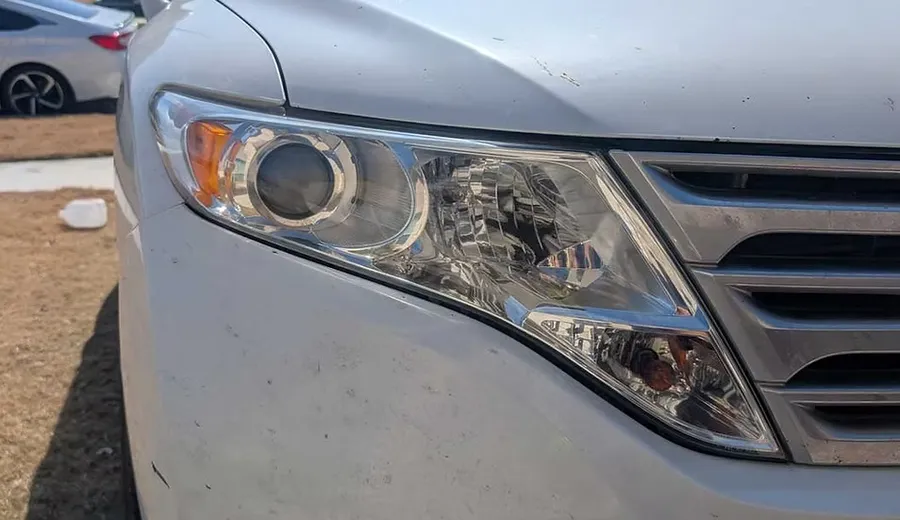
Yellow, cloudy headlights get blamed on dirt or age in general, but the actual cause is more specific: UV oxidation. Headlight lenses are polycarbonate plastic, not glass, and polycarbonate is chemically vulnerable to UV breakdown over time. In a climate like Central Texas, with intense sun exposure for most of the year, that breakdown happens faster than in milder climates.
What’s Actually Happening to the Plastic
Every headlight lens ships from the factory with a clear protective coating over the polycarbonate. UV exposure slowly breaks that coating down, and once it’s compromised, the bare polycarbonate underneath starts oxidizing — turning yellow, then hazy, then eventually pitted if left long enough. It’s a one-way process: the coating doesn’t repair itself, and it only gets worse with continued sun exposure.
Why This Is a Safety Issue, Not Just Cosmetic
Oxidized, hazy lenses don’t just look bad — they measurably reduce how much usable light makes it onto the road at night. A headlight housing that’s gone significantly yellow can be putting out a fraction of its designed output, which matters directly for nighttime visibility and how well other drivers can see you.
Why DIY Kits Often Don’t Last
Store-bought polish kits can genuinely improve clarity — the polishing step works. What most kits skip, or handle poorly, is the sealing step. Without a real UV-resistant sealant, the freshly polished polycarbonate is now bare and exposed again, and it can start hazing within months since you’ve removed what little factory protection was left without replacing it with anything durable.
What a Proper Restoration Actually Involves
Our headlight restoration process is three real stages, not one:
- Sanding out the oxidation in progressive grit stages to fully remove the yellowed, damaged layer — not just polish over it
- Polishing to full optical clarity, restoring the lens to as close to factory clarity as the underlying plastic allows
- Sealing with a UV-resistant ceramic coat, which is the step that actually prevents the haze from coming back quickly
Most restorations are same-day service, since the process itself typically takes under an hour per headlight once you factor in cure time for the sealant.
When to Get It Done
If you can see visible yellowing or haze, it’s worth doing now rather than waiting — oxidation gets progressively harder to fully remove the longer it sits, and severely pitted lenses may need more aggressive correction than a lens caught early. It’s also one of the fastest, most visible upgrades you can make to an otherwise well-kept vehicle for resale or trade-in.
Ready to fix it today? See our Headlight Restoration page or book a same-day appointment — most jobs are done and sealed the same visit.
Frequently Asked Questions
Can I fix yellow headlights myself with a store-bought kit?
DIY kits can improve clarity temporarily, but most don't include a real UV-resistant sealant step, which means the haze often returns within months. A professional restoration sands out the oxidation properly and seals with a ceramic UV coat designed to actually hold.
Do yellow headlights affect my car's inspection or resale value?
Yes to both. Hazy headlights are one of the first things buyers and inspectors notice, and reduced light output can be a genuine safety and legal concern depending on severity.
How often do headlights need to be restored?
With a proper UV-sealed restoration, most customers don't need it redone for several years. Without a UV sealant, unsealed polish jobs can haze again within months, which is the main reason DIY results don't last.